Selecting the Right Heating System: A Homeowner's Guide


How to Choose the Right Heating System for Your Home: A Comprehensive Guide for Valparaiso Residents
Choosing the right heating system for your home is a critical decision that affects comfort, energy bills, and long-term reliability. This guide explains how residential heating system setup decisions are driven by system type, efficiency metrics, home characteristics, and local climate — all tailored for Valparaiso, IN homeowners. You will learn the differences between furnaces, heat pumps, boilers, and ductless systems, how to interpret AFUE, HSPF, and COP ratings, plus the trade-offs between installation complexity and lifecycle costs. The article also covers practical topics like maintenance plans, smart thermostat integration, indoor air quality, and local incentives so you can weigh options logically before investing. Throughout, we include checklists, comparison tables, and clear next steps for getting a site-specific assessment or professional installation in Northwest Indiana.
What Are the Different Types of Home Heating Systems Available?
Home heating systems are the broad category of residential HVAC solutions that generate and distribute warmth; mechanisms vary by system type and fuel source, producing benefits like rapid heat delivery or high efficiency. Understanding whether a system generates heat (furnace, boiler) or transfers heat (heat pump) guides the selection process and clarifies expected operating patterns. Below is a concise list of the common system types with a short defining line for each to help you compare options quickly and target a featured-snippet-style summary.
• Furnace: Produces heat by combustion or electric resistance and distributes it through ductwork.
• Heat Pump: Transfers heat into the home using refrigeration cycle components like a compressor.
• Boiler/Radiant: Heats water and circulates it through radiators or radiant tubing for even warmth.
• Ductless Mini-Split: Provides zoned heating and cooling without central ducts using wall-mounted air handlers.
These system categories set the stage for more detailed comparisons on efficiency, fuel availability, and ideal home types, which we examine next in the furnace and heat pump subsections.
How Do Furnace Systems Work and What Are Their Fuel Options?
A furnace creates heat by burning fuel or using electric resistance and moves warm air via a blower through ductwork to conditioned spaces. The core components include a burner or electric element, a heat exchanger, and a blower motor; combustion furnaces require safe venting while electric models avoid combustion entirely. Fuel options commonly used in residential settings include natural gas, propane, oil, and electricity; availability and local infrastructure in Northwest Indiana influence which fuels are practical. For homeowners with existing ductwork in colder climates, a high-AFUE gas furnace often matches needs for rapid, reliable warmth and lower operating costs during extended cold snaps, while electric furnaces can be simpler for homes without gas service. Understanding these operational differences helps you decide whether a furnace fits your home and long-term energy goals.
What Are the Benefits of Heat Pump Systems Including Air-Source and Geothermal?
Heat pumps move heat rather than create it, using a compressor and refrigerant to extract heat from outdoor air (air-source) or the ground (geothermal) and deliver it indoors, which yields higher efficiency when conditions suit the technology. Air-source heat pumps have improved cold-climate performance in recent models and are increasingly viable in places with moderate winter lows, while geothermal systems offer consistently high COPs because ground temperatures are relatively stable. Efficiency metrics like HSPF and COP capture seasonal and instantaneous performance respectively, and pairing a heat pump with a backup or dual-fuel heat source can maintain comfort during extreme cold. Buyers prioritize heat pumps when they seek energy-efficient heating that also provides cooling, and when they value lower operational carbon footprint compared with combustion-only systems.
• Furnace — Characteristic: Generates heat via combustion or electric resistance — Typical Advantage: Rapid warm-up and high output in cold weather
• Heat Pump — Characteristic: Transfers heat using compressor and refrigerant — Typical Advantage: Greater energy efficiency and cooling capability
• Boiler/Radiant — Characteristic: Circulates hot water through radiators or tubing — Typical Advantage: Even, comfortable heat and zoned control
This table summarizes functional differences to help prioritize which systems merit deeper consideration for your home.
Which Factors Should You Consider When Choosing a Heating System?
Selecting the right heating solution depends on a matrix of factors — efficiency ratings, home size and layout, insulation levels, ductwork condition, local climate patterns, fuel availability, and your budgetary horizon — each affecting system type and sizing recommendations. Interpreting those factors together produces a practical checklist for decision-making: energy metric targets, whether to preserve existing ductwork, the need for zoned control, and long-term goals such as net-zero readiness or electrification. Below is a compact checklist that serves as a decision shortcut that homeowners can use before scheduling a detailed Manual J load calculation.
• Energy Efficiency Goals: Choose equipment with AFUE/HSPF/COP aligned to your operating-cost priorities.
• Home Characteristics: Base system choice on square footage, number of stories, insulation, and ductwork presence.
• Local Climate: Account for Valparaiso's cold snaps and humidity when choosing cold-climate heat pumps or backup heat.
A closer look at how efficiency ratings work and why exact home sizing matters follows, helping you translate these factors into specific system specifications and next steps for professional assessment.
Decision FactorWhat it AffectsTypical RecommendationHome sizeSystem sizing (BTU/tonnage)Perform Manual J load calculationDuctwork conditionDistribution approachRepair/replace ducts or choose ductless/mini-splitClimate severityNeed for backup heatConsider dual-fuel or higher-AFUE equipment
This EAV-style mapping highlights actionable links between common homeowner factors and practical recommendations, which informs the diagnostic phase and next steps.
As part of a diagnostic and sizing process, consider scheduling a professional site visit; local installers can validate fuel availability and duct conditions and provide a Manual J calculation. For Valparaiso residents seeking a personalized assessment and equipment recommendation grounded in local experience, Elico Heating & Cooling offers diagnostic services and can arrange on-site evaluations to align system selection with your home's unique characteristics and efficiency goals.
How Do Energy Efficiency Ratings Like AFUE, HSPF, and COP Impact Your Choice?
AFUE, HSPF, and COP are standardized metrics that quantify how effectively heating equipment converts input energy into useful heat: AFUE expresses annual fuel utilization for furnaces/boilers, HSPF measures seasonal performance for heat pumps' heating mode, and COP indicates instantaneous efficiency under specific conditions. Higher AFUE percentages mean less fuel wasted in flue losses for combustion systems, while HSPF and COP values allow direct comparisons between heat pump models and between heat pumps and other system types on a performance basis. For example, preferring a gas furnace with 90%+ AFUE or selecting heat pumps with strong HSPF and COP in cold conditions reduces operating costs over time, but initial equipment and installation complexity also matter. Understanding these ratings helps homeowners balance up-front expense against lifecycle operating costs and comfort outcomes.
What Role Do Home Size, Layout, and Local Climate Play in System Selection?
Home size and layout determine required heating capacity and distribution strategy, with multi-story homes and open-plan layouts often benefiting from zoning or multiple smaller units to maintain balanced comfort. Accurate sizing via a Manual J load calculation ensures the system delivers adequate BTUs without short-cycling, which negatively affects efficiency and equipment life; undersized systems struggle during cold snaps while oversized units cycle excessively. Local climate considerations in Valparaiso — seasonal cold, potential for humidity — influence whether cold-climate heat pump models or high-AFUE combustion options are preferable and whether supplemental or backup heat is warranted. Once you know your home's thermal profile, you can choose a system that matches capacity needs and operational expectations and schedule a professional sizing and recommendation service.
How Do Installation, Operating, and Maintenance Costs Affect Heating System Decisions?
Installation complexity, operating fuel efficiency, and maintenance needs form the lifecycle cost triangle that should drive equipment selection more than sticker price alone. Installation drivers include required ductwork modifications, fuel conversions, and site-specific requirements such as geothermal ground loops; operating costs depend on efficiency ratings and local fuel prices, and maintenance frequency affects both reliability and long-term value. A lifecycle view typically favors higher-efficiency equipment when homeowners plan to stay in a property for many years, whereas short-term ownership horizons can shift the calculus toward lower upfront cost options. Below are bullet takeaways summarizing key lifecycle considerations to help homeowners weigh trade-offs before requesting formal quotes.
• Installation: Complexity increases with system type; ground-source geothermal and hydronic boiler systems generally require more labor and specialized work.
• Operating: Measured by AFUE/HSPF/COP; higher efficiency reduces fuel consumption over time.
• Maintenance: Regular service preserves efficiency and prevents emergency failures.
Understanding these lifecycle drivers clarifies why maintenance plans and emergency service availability are essential components of a sound long-term heating strategy.
• Furnace — Typical Lifespan: 15–20 years (varies by use and maintenance) — Maintenance Frequency: Annual safety and filter checks
• Heat Pump — Typical Lifespan: 12–20 years — Maintenance Frequency: Annual or biannual tune-ups
• Boiler — Typical Lifespan: 15–30 years — Maintenance Frequency: Annual inspections and water treatment
This lifecycle table contrasts general expectations and maintenance rhythms so homeowners can plan service agreements and reserve budgets appropriately.
What Are Typical Installation Costs for Different Heating Systems in Valparaiso, IN?
Installation costs vary widely because of factors such as whether ductwork exists, whether fuel lines or electrical upgrades are required, and the complexity of site access; rather than quoting prices, focus on the drivers that determine a fair estimate for your property. Conversions from one fuel type to another, the need to install or modify ducts, and specialized systems like geothermal ground loops raise labor and permitting needs. Requesting on-site quotes that include a Manual J calculation, scope of ductwork, and details about required electrical or fuel infrastructure yields realistic comparisons between systems. For accurate, site-specific estimates and to understand the scope of work for your Valparaiso home, contact a local professional who can inspect the property and produce a tailored proposal.
How Can Maintenance Plans Extend System Longevity and Save Money?
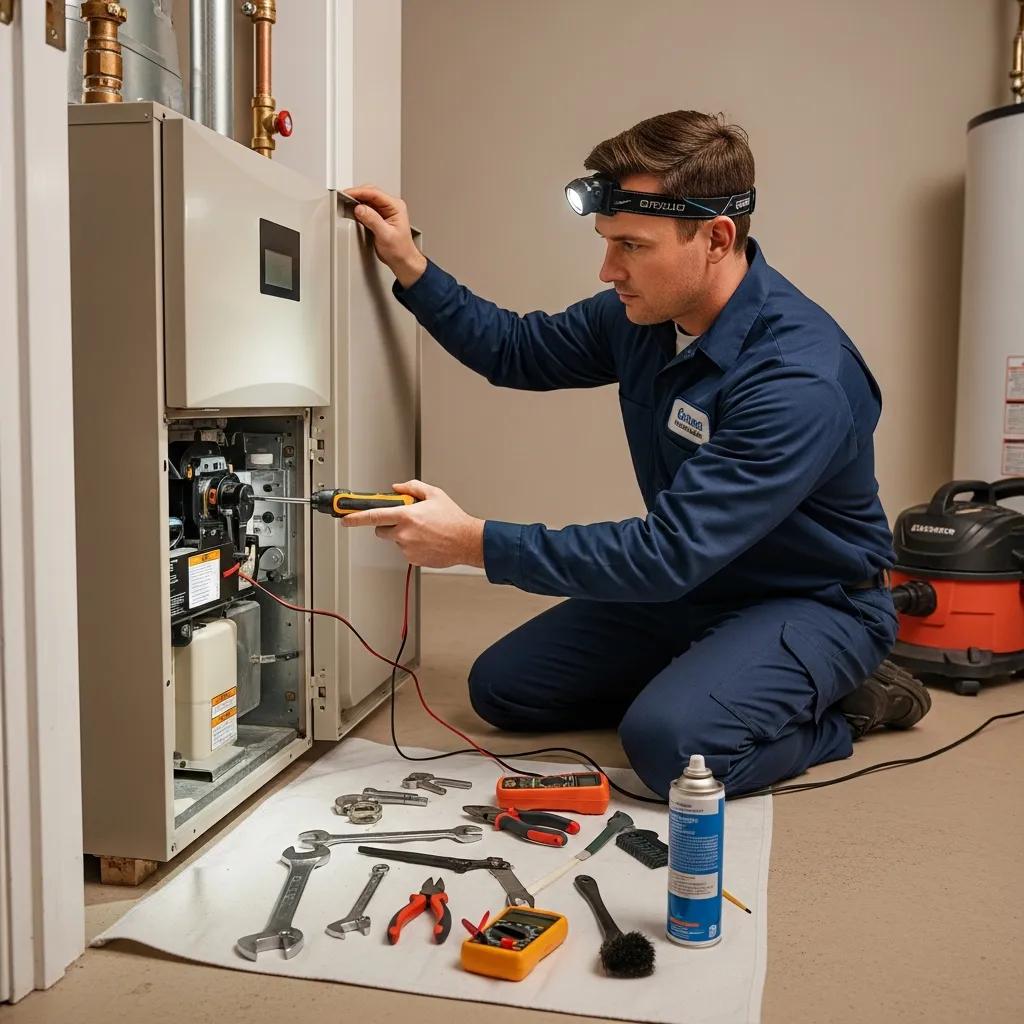
Scheduled maintenance preserves system efficiency, reduces emergency repairs, and extends equipment life by catching wear early and keeping components like filters, heat exchangers, burners, compressors, and pumps operating correctly. Typical maintenance tasks include filter replacement, safety inspections, calibration, refrigerant checks, combustion analysis for fueled equipment, and cleaning of heat exchangers and coils; these preventive actions reduce unexpected downtime and maintain rated efficiency. Elico Heating & Cooling offers maintenance plans and 24/7 emergency services that help homeowners minimize the risks of winter failures and prolong system longevity; enrolling in a plan ensures prioritized service and regular tune-ups that protect performance. Choosing a maintenance plan is an investment that often yields lower total cost of ownership and greater seasonal comfort consistency.
Why Choose Elico Heating & Cooling for Your Heating System Installation and Maintenance?
Elico Heating & Cooling is positioned as a local HVAC service provider serving Valparaiso and Northwest Indiana with offerings designed to convert confident decisions into reliable outcomes: their primary service messaging emphasizes 24/7 emergency services, maintenance plans, flexible financing options, and being an installer of Amana systems while servicing all brands of heating and cooling equipment. Homeowners benefit from a single point of contact for installations, seasonal tune-ups, and emergency responses, reducing downtime and ensuring continuity of service. The company's local presence and focus on being an information hub and lead generation resource mean they can coordinate inspections, equipment selection, and post-install paperwork such as rebate documentation for efficiency upgrades. If you prefer working with a locally based team that combines emergency coverage with maintenance and financing flexibility, consider contacting Elico to discuss your project.
• 24/7 Emergency Service: Rapid response minimizes cold-weather risk and preserves home safety.
• Maintenance Plans: Regular service to maintain efficiency and extend equipment life.
• Flexible Financing Options: Financing helps make higher-efficiency systems accessible to more homeowners.
These value propositions illustrate why pairing a careful system selection process with a responsive local contractor improves outcomes and simplifies long-term ownership.
What Local Expertise and 24/7 Emergency Services Does Elico Provide?
Elico Heating & Cooling provides local expertise across Northwest Indiana, offering diagnostic services, installations, and around-the-clock emergency response to reduce the risks of heating system failures during critical cold periods. Access to 24/7 emergency services ensures homeowners can promptly address loss of heat or major system faults, which is essential in Valparaiso winters when delays are costly and uncomfortable. The company's role as an information hub aligns with providing guidance about equipment choices, maintenance plans, and rebate assistance to simplify decision-making for residents. For urgent issues or to schedule a diagnostic visit, homeowners are encouraged to contact Elico directly for support and next-step planning.
How Do Flexible Financing Options Make Heating Solutions Accessible?
Flexible financing options reduce the barrier of high upfront installation costs and enable homeowners to choose higher-efficiency systems that lower operating expenses over time while spreading payments. Financing can align monthly outlays with expected energy savings, allowing selection of upgraded equipment that may qualify for incentives or perform better in Valparaiso's climate. Elico mentions offering flexible financing options as part of its service suite, and homeowners should inquire about qualification and terms during the proposal stage to compare lifecycle costs effectively. Asking about financing early in the selection process helps include monthly payment projections in the overall comparison of system alternatives.
Conclusion
Choosing the right heating system for your home in Valparaiso can significantly enhance comfort, reduce energy costs, and ensure long-term reliability. By understanding the various system types, efficiency ratings, and local climate considerations, you can make an informed decision that aligns with your needs. Don't hesitate to reach out to Elico Heating & Cooling for personalized assessments and expert guidance tailored to your home. Take the next step towards a more efficient heating solution today.



HVAC Financing

Blogs

Diagnosing Cold Spots in Your Schererville Home After Turning on the Furnace for the First Time
The Mechanics of AC Storm Damage: Why We Repaired a Unit Another Company Condemned